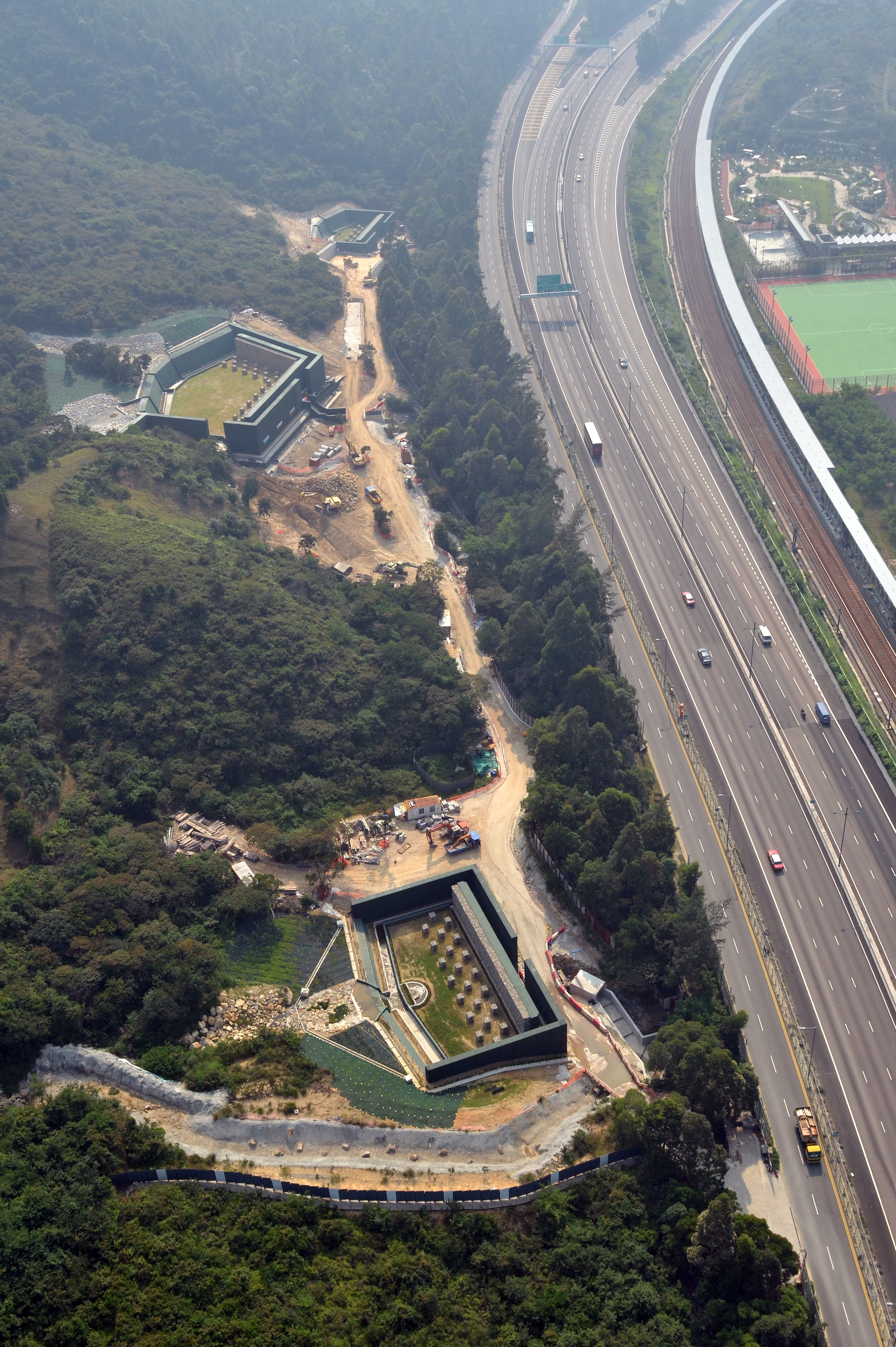
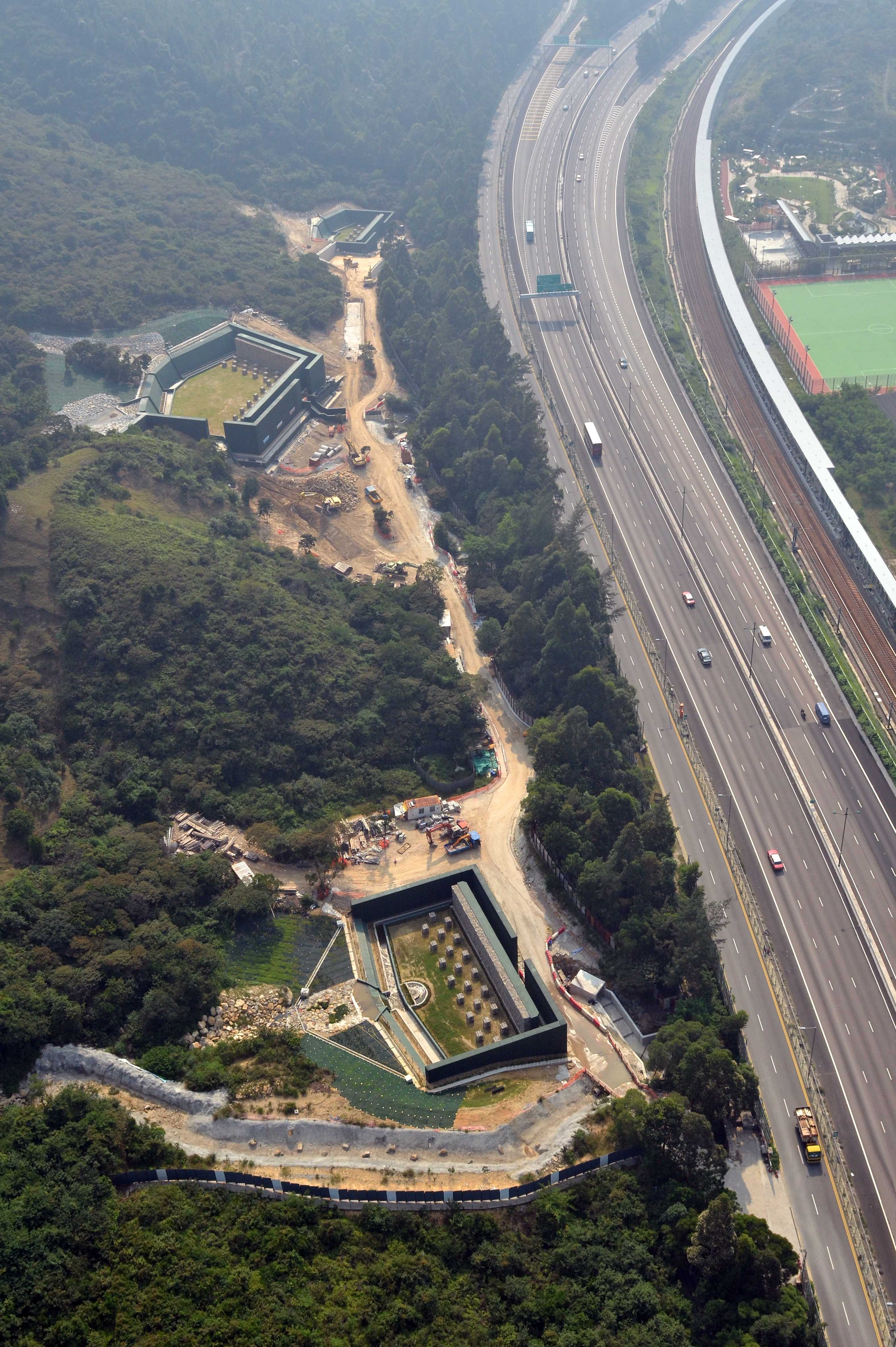
In 1977-2010, the Government had dealt with about 7,000 sub-standard man-made slopes under a Landslip Preventive Measures Programme (LPMP), and the overall landslide risk from man-made slopes had been substantially reduced to less than 25% of that existed in 1977, reaching the “As Low As Reasonably Practicable” (ALARP) level that iscommensurate with the international best practice in risk management.
Upon completion of the LPMP in 2010, there are still remaining landslide risks that pose a hazard to the community. The majority of the remaining landslide risk comes fromabout 18,000 moderate-risk man-made slopes affecting development and about 2,700 natural hillside catchments with known hazards and close to existing buildings and important transport corridors. If investment in slope safety were not maintained,landslide risk would progressivelyincrease with time due to slope degradation and encroachment of more urban development or redevelopment on steep hillsides. This will cause, in addition to risk to life, significant economic losses and social disruption as a result of road blockages and building evacuation due to landslides, thereby compromising public safety, sustainable development and Hong Kong’s reputation as a modern metropolitan city and tourist hub.
In 2010, the Government launched a Landslip Prevention and Mitigation Programme (LPMitP) to dovetail with the LPMP so as to contain the landslide risks in Hong Kong within the ALARP level. The target annual output of the LPMitP is to
(a) upgrade 150 government man-made slopes;
(b) conduct safety-screening studies for 100 private man-made slopes; and
(c) implement risk mitigation works for 30 natural hillside catchments.
On average, about 10 consultancy agreements and 12 works contracts will be arranged every year for the delivery of the target output under the LPMitP.


